

Water Therapy for Chronic Pain: How Aquatic Exercise Helps Plano, TX Residents Find Relief
- Aquatic exercise in warm water reduces joint load up to 90%, easing chronic back, arthritis, and sciatica pain while improving mobility.
- Combined with interventional procedures, Advanced Pain Institute of Texas notes aquatic therapy improves range of motion and supports long term rehabilitation.
- Plano offers warm-water pools and therapy classes; ideal for hot summers, stay hydrated, choose water between 84°F and 92°F, and consult your doctor.
If you live in Plano, Texas, and struggle with chronic pain — whether it’s persistent back discomfort, aching joints, or lingering sciatica — you already know how challenging it can be to stay active when every movement reminds you of your condition. Traditional exercise programs often feel out of reach, and the North Texas summer heat can make outdoor activity even more daunting. That’s exactly why water therapy, also known as aquatic exercise or hydrotherapy, deserves a closer look as a powerful complement to your pain management plan.
At Advanced Pain Institute of Texas, our board-certified pain management specialists work with patients across the Dallas–Fort Worth metroplex — including Plano and surrounding communities — to develop personalized treatment plans that go beyond medication. Aquatic exercise is one of the evidence-based strategies we frequently recommend alongside minimally invasive interventional treatments to help patients regain mobility, reduce pain, and improve overall quality of life.
What Is Water Therapy and How Does It Help Chronic Pain?
Water therapy involves performing structured exercises in a warm-water pool, typically heated to between 82°F and 96°F. The buoyancy of the water reduces the gravitational load on your joints and spine by up to 90%, allowing you to move more freely with significantly less pain. For patients dealing with chronic back pain, arthritis, or joint inflammation, this near-weightless environment makes it possible to exercise when land-based activities are simply too painful.
The therapeutic benefits of water go beyond just buoyancy:
- Hydrostatic pressure — Water applies gentle, even pressure across your entire body, which can reduce swelling and improve circulation. This is particularly helpful for patients recovering from chronic inflammation and joint pain.
- Natural resistance — Every movement in water encounters gentle resistance, helping strengthen muscles without the jarring impact of weights or resistance bands.
- Warmth and relaxation — Warm water relaxes tight muscles, eases tension around the spine and joints, and promotes the release of endorphins, your body’s natural pain-relieving chemicals.
- Improved proprioception — The sensory feedback from water helps retrain your body’s balance and coordination, which can deteriorate after months or years of limited mobility.
Why Plano Residents Are Turning to Aquatic Exercise This Summer
Plano’s summer temperatures regularly push past 100°F, making outdoor walks, jogs, or even gentle stretching routines uncomfortable — or outright dangerous for people managing chronic pain conditions. Indoor aquatic exercise provides a cool, controlled environment where you can stay active without battling the Texas heat.
The City of Plano offers excellent aquatic facilities that make water-based exercise accessible. The Tom Muehlenbeck Recreation Center, Liberty Recreation Center, and multiple community pools throughout Plano and the surrounding areas provide lap pools and warm-water therapy pools. Many Plano-area fitness centers also offer structured aquatic therapy classes designed specifically for people with chronic pain, arthritis, or limited mobility.
For the thousands of Plano professionals who spend long hours at desks in Legacy West, Granite Park, or along the Dallas North Tollway corridor, aquatic exercise after work can counteract the chronic neck, back, and hip stiffness that comes with sedentary jobs. And for retirees throughout communities like Willow Bend, Deerfield, and Kings Gate, warm-water exercise offers a low-impact way to maintain strength and flexibility as part of a comprehensive pain management approach.
Conditions That Respond Well to Water Therapy
Water therapy isn’t a one-size-fits-all solution, but research consistently shows meaningful benefits for several chronic pain conditions that our Plano pain management patients commonly experience:
Chronic Back Pain
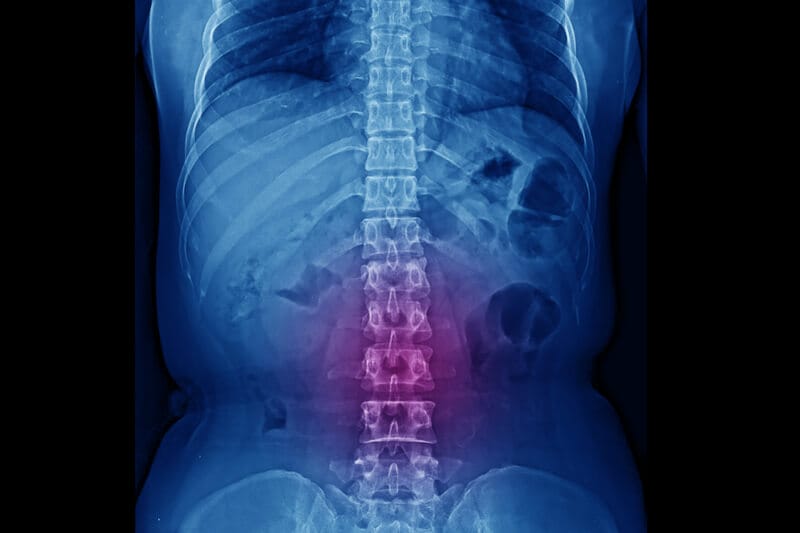
Back pain is one of the most common reasons patients visit our practice. The spinal decompression effect of water buoyancy takes pressure off compressed discs and irritated nerves, allowing you to stretch and strengthen your core muscles with minimal discomfort. Studies show that aquatic exercise programs can reduce chronic low back pain intensity by 30–40% over 8 to 12 weeks when combined with appropriate medical treatment.
Osteoarthritis and Joint Pain
For patients with knee, hip, or shoulder arthritis, water therapy is particularly effective. The buoyancy eliminates the pounding impact that makes walking or stair climbing so painful, while the gentle resistance of water strengthens the muscles surrounding your joints. Stronger supporting muscles mean less direct stress on arthritic joint surfaces.
Sciatica and Nerve Pain
Sciatica — that radiating pain from your lower back down through your leg — often responds well to gentle aquatic movement. Water walking, leg lifts, and controlled stretching in a pool can help decompress the sciatic nerve while building strength in the muscles that support your lumbar spine. If you’re dealing with sciatica, water therapy can be a valuable addition to your interventional treatment plan.
Fibromyalgia
Fibromyalgia patients often experience widespread pain that makes even gentle exercise feel overwhelming. Warm-water therapy has shown particular promise for fibromyalgia, with studies demonstrating improvements in pain levels, sleep quality, and overall physical function. The warm water helps relax the heightened pain sensitivity that characterizes fibromyalgia, making movement more tolerable.
Post-Procedural Recovery
After minimally invasive pain management procedures like epidural injections, nerve blocks, or spinal cord stimulation, water therapy can accelerate your recovery. The supportive water environment allows you to begin gentle rehabilitation sooner than you might on land, helping you rebuild strength and mobility during the critical post-treatment window.
Getting Started: Practical Water Therapy Exercises for Pain Relief
You don’t need to be a swimmer to benefit from aquatic exercise. Many of the most effective water therapy exercises are performed in chest-deep or waist-deep water. Here are several you can try under the guidance of your healthcare provider:
Water Walking
Start with simple walking in chest-deep water. The resistance of the water strengthens your legs, hips, and core while the buoyancy protects your joints. Begin with 10 minutes and gradually increase to 20–30 minutes as your tolerance improves. Focus on maintaining an upright posture and engaging your core.
Aqua Lunges
Standing in waist-deep water, step forward into a gentle lunge position. The water provides stability and reduces the risk of falls while building strength in your quadriceps, glutes, and hip flexors. Perform 8–10 repetitions on each leg.
Wall Push-Ups in Water
Face the pool wall, place your hands shoulder-width apart on the edge, and perform slow push-ups. This strengthens your chest, shoulders, and arms while the water supports your lower body. This exercise is especially helpful for patients with upper back and neck pain.
Leg Lifts and Kicks
Holding the pool edge for balance, gently lift each leg forward, backward, and to the side. These movements strengthen the hip stabilizers and core muscles that support your spine. The water resistance builds strength gradually without the strain of gravity-based exercises.
Torso Rotation
Standing in chest-deep water with your feet shoulder-width apart, slowly rotate your upper body side to side. The water resistance provides gentle core strengthening while the buoyancy supports your spine. This is particularly beneficial for patients with chronic lower back stiffness.
How Water Therapy Complements Interventional Pain Management
At Advanced Pain Institute of Texas, we emphasize that water therapy works best as part of a comprehensive, personalized treatment plan — not as a standalone solution. For many of our Plano-area patients, the most effective approach combines:
- Interventional procedures — Minimally invasive treatments like epidural steroid injections, nerve blocks, radiofrequency ablation, or spinal cord stimulation to address the underlying source of pain
- Active rehabilitation — Structured exercise programs, including aquatic therapy, to rebuild strength, flexibility, and endurance
- Patient education — Understanding your condition, learning to manage flare-ups, and making lifestyle adjustments that support long-term relief
- Ongoing monitoring — Regular follow-up to track progress and adjust your treatment plan as your condition evolves
When interventional treatments reduce your baseline pain level, water therapy becomes even more effective because you can exercise with greater range of motion and less discomfort. Many patients describe this combination as a turning point — the procedure reduces the pain enough to make exercise possible, and the exercise builds the strength and flexibility needed to maintain those improvements long-term.
Safety Tips for Water Therapy During a North Texas Summer
While water therapy is generally safe and gentle, a few precautions are worth keeping in mind, especially during the hot Texas summer months:
- Stay hydrated — You’re still sweating in warm water, even if you don’t notice it. Bring a water bottle to the pool and drink regularly before, during, and after your session.
- Start slowly — If you haven’t exercised in a while, begin with 15–20 minute sessions and gradually increase. Overdoing it in the first session can cause muscle soreness or a pain flare.
- Choose the right water temperature — Therapy pools between 84°F and 92°F are ideal. Water that’s too cold can cause muscle tension, and water that’s too warm can be exhausting.
- Talk to your doctor first — If you have open wounds, active infections, uncontrolled blood pressure, or certain skin conditions, water therapy may not be appropriate until those issues are addressed.
- Listen to your body — Mild discomfort during exercise is normal; sharp or worsening pain is not. If you experience increased pain, stop and discuss it with your pain management specialist.
Take the Next Step Toward Pain Relief in Plano, TX
Living with chronic pain doesn’t mean you have to stop living. Water therapy offers a safe, effective, and even enjoyable way to rebuild your strength and mobility — and with Plano’s excellent recreation facilities and warm summer weather, now is the perfect time to explore this option.
If you’re in Plano, Frisco, Allen, Richardson, or anywhere in the Dallas–Fort Worth area and you’re ready to explore how aquatic exercise can complement a personalized pain management plan, the board-certified specialists at Advanced Pain Institute of Texas are here to help.
Request an appointment today and let’s build a treatment plan that gets you back to doing what you love — with less pain and more confidence.
Share this article
Related Posts











Follow us
A quick overview of the topics covered in this article.