How Cold Weather Impacts Pain—and What You Can Do About It
Introduction: Texas Winters and the Pain That Comes With Them
If you’ve lived in Texas for more than five minutes, you know winter can flip the script overnight. One day you’re sipping iced tea in 60-degree weather, and the next, you’re digging through your closet for a jacket you haven’t seen since last February. But it’s not just the thermometer that drops—many Texans notice something else that creeps up with the cold: their pain.
Whether it’s your knees creaking more than usual, a stiff back making it hard to roll out of bed, or old injuries reminding you they’re still around, you’re not imagining things. Cold weather can genuinely make pain worse. And Texas, with its unpredictable winter mood swings, is the perfect setting for this annual drama.
Here’s the good news: You’re not powerless against it. With a few smart strategies—from stretching and staying warm to seeking help when you need it—you can manage the seasonal discomfort and get back to feeling like yourself again. Ready to learn how? Let’s dive in.
Why Pain Feels Worse in Cold Weather
The Science Behind Weather-Related Pain
When temperatures take a nosedive, people often feel their pain levels spike—but why does this happen? One reason lies in the way your body responds to barometric pressure, the atmospheric pressure that drops just before a cold front moves in. When this pressure lowers, it can cause tissues in the body to expand slightly. That expansion may irritate nerves, especially around joints, leading to increased pain.
Add to that the fact that cold weather reduces blood flow. When it’s cold out, your body prioritizes keeping your core warm, pulling blood away from extremities like your hands, feet, and joints. Less blood flow means tighter muscles and stiffer joints, both of which can make you feel like you’ve aged a decade overnight.
How Cold Affects Joints and Muscles
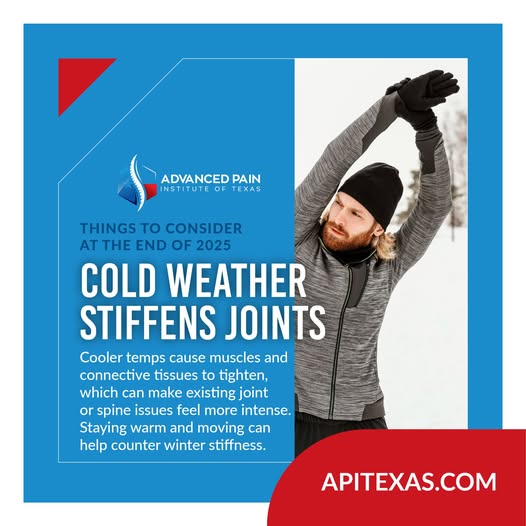
Think of your joints like the hinges on a door. In warm weather, everything moves smoothly. But when it gets cold, those hinges get squeaky. Your muscles contract more in lower temperatures, and your joints can feel less lubricated. If you already have issues like arthritis, this tightening can make every movement uncomfortable—even just getting up from the couch.
Nerve Sensitivity and Temperature Drops
If you deal with nerve pain, like sciatica or neuropathy, cold weather can amplify the discomfort. Lower temps make your nerves more reactive and sensitive, especially if they’re already damaged or inflamed. That’s why you might notice tingling, sharp pain, or burning sensations intensify during a cold snap.
Common Conditions That Flare Up in Winter
Arthritis and Joint Pain
Arthritis is a major culprit when it comes to cold-weather flare-ups. The already-inflamed joints become even more sensitive when exposed to chilly air. Cold temperatures can cause the fluid in your joints to thicken, reducing mobility and making stiffness a daily battle. Whether it’s rheumatoid arthritis or osteoarthritis, winter tends to be the hardest season for those with chronic joint issues.
Fibromyalgia
Fibromyalgia is already a complex condition, and weather changes can throw your body into even more chaos. Cold can heighten the body’s pain response and make symptoms like fatigue, brain fog, and widespread tenderness worse. Many people with fibromyalgia report more flare-ups during colder months, especially in places like Texas where winter can arrive suddenly.
Back and Neck Pain
If you suffer from chronic back or neck pain, cold weather can stiffen spinal muscles and reduce flexibility. This makes it harder to sit, sleep, or even walk without discomfort. Add the pressure changes and muscle tension, and you’ve got the perfect storm for winter back pain.
Old Injuries Coming Back to Life
Got an old football injury or a car accident from years ago? Cold weather might bring it right back into focus. Scar tissue and injured areas are often more sensitive to changes in pressure and temperature. What felt healed in the summer can feel raw again in the winter.
How Your Body Reacts to a Sudden Temperature Drop
When the temperature plunges quickly—as it often does in Texas—your body doesn’t have time to adjust. This sudden change shocks your system. Your muscles go into defense mode, tightening up to protect you from the cold. That might sound like a good thing, but in reality, it just makes everything feel sore and rigid.
People with chronic pain conditions are especially vulnerable during these cold snaps. Even a minor drop of 10–15 degrees can result in a noticeable increase in discomfort. And unlike steady winter states up north, Texas’ rollercoaster temps mean your body gets thrown off balance over and over.
Psychological Effects of Cold Weather on Pain
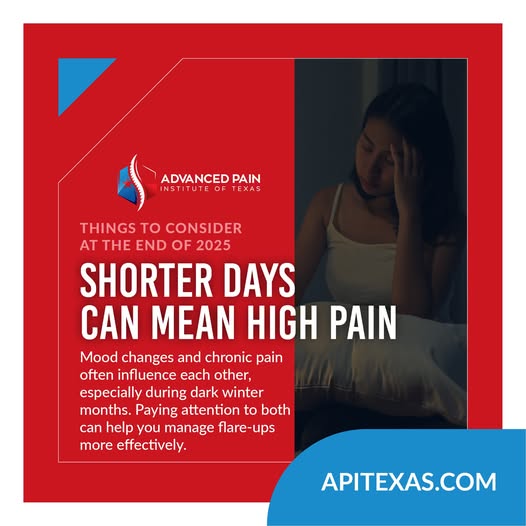
Let’s not forget what winter does to your mood. Shorter days, darker skies, and less sunshine can leave you feeling drained—and that mental fog can amplify physical pain. Seasonal Affective Disorder (SAD) is real, and if you’re already dealing with chronic pain, the emotional toll of winter can make everything feel ten times worse.
Stress, depression, and anxiety all have a way of intensifying how your brain interprets pain. So if you’re feeling more down than usual, and your body’s acting up, it’s not just “in your head”—it’s all connected.
Signs Your Pain May Be Weather-Related
Not sure if the cold is to blame? Here are a few signs that your pain might be linked to weather changes:
-
Your symptoms worsen when temperatures drop or during rainy days.
-
You feel stiffer in the morning and it improves slightly throughout the day.
-
Old injuries seem to “wake up” in colder months.
-
You notice that pain improves when you apply heat or stay warm.
If any of that sounds familiar, weather could very well be a major player in your discomfort.
The Importance of Staying Active in Winter
Why Movement Matters
When it’s freezing outside, it’s tempting to curl up on the couch and wait until spring. But movement is medicine—especially in winter. Staying active keeps your blood circulating, your joints loose, and your muscles strong. It also helps your brain release endorphins, those feel-good chemicals that naturally reduce pain.
And don’t worry—you don’t need to run a marathon or join a gym. Even 20–30 minutes of light activity each day can make a huge difference in how you feel.
Simple Indoor Exercises You Can Do
Not a fan of the cold? No problem. Try these indoor-friendly workouts:
-
Gentle yoga or stretching routines
-
Bodyweight exercises like squats, lunges, and wall push-ups
-
Walking in place during TV time
-
Using resistance bands for strength training
-
Online workout videos tailored for chronic pain or seniors
Staying consistent is more important than intensity. Just keep moving.
Stretching: Your Cold-Weather Secret Weapon
Best Stretches for Winter Aches
You know that feeling when your body’s so stiff it’s like trying to move a frozen rubber band? That’s where stretching comes in—and during winter, it’s more important than ever. Stretching doesn’t just warm up your muscles—it increases circulation, loosens stiff joints, and helps prevent injuries. If you’re dealing with cold-weather pain, adding 10–15 minutes of daily stretching can be a total game-changer.
Here are a few simple, effective stretches to try each morning or before bed:
-
Neck rolls – Slowly roll your neck in circles to ease tension.
-
Shoulder shrugs and rolls – Loosen up tight upper body muscles.
-
Cat-cow stretch – Great for spinal mobility and back pain relief.
-
Hamstring stretch – Keep your lower back and legs flexible.
-
Hip flexor stretch – Helps with posture and lower back pain.
-
Child’s pose – A gentle, relaxing stretch that targets the whole body.
If you’ve got specific areas that always feel tight (like your lower back or shoulders), focus more on those. Hold each stretch for about 20–30 seconds, and remember to breathe deeply—it helps your muscles relax even more.
How Often You Should Stretch
Here’s the deal: once a week won’t cut it. To feel real relief, consistency is key. Aim to stretch daily—even just a few minutes in the morning and evening can add up to major results. Stretching regularly not only helps you feel better short term, but also improves your flexibility over time, making your body more resilient to cold-weather aches in the future.
And don’t worry—this isn’t about becoming a yogi or touching your toes like a gymnast. It’s about moving your body gently and keeping it fluid. Think of it like oiling a rusty hinge every day.
How to Stay Warm and Reduce Pain
Layering and Proper Winter Gear
Ever heard the phrase, “There’s no such thing as bad weather, only bad clothing”? It’s absolutely true when it comes to pain. Staying warm is one of the simplest and most effective ways to reduce cold-induced aches.
Here are some layering tips to keep your joints and muscles protected:
-
Base layer: Wear thermal, moisture-wicking clothes to keep sweat away from your skin.
-
Middle layer: Add insulation like fleece or wool for warmth.
-
Outer layer: Use windproof or waterproof jackets to block harsh conditions.
-
Accessories: Don’t skip gloves, warm socks, scarves, and hats—extremities are most vulnerable!
If you’re indoors and still feeling cold, heated blankets, electric heating pads, or even microwaveable heat wraps can offer immediate relief—especially when applied to stiff areas like the back, neck, or knees.
Warm Showers and Heating Pads
Nothing feels quite as soothing as a hot shower on a cold morning. The steam not only wakes you up, but it also relaxes muscles and improves circulation. Starting your day with warm water therapy can reduce stiffness and set you up for a better day physically.
Heating pads are another must-have in your winter pain toolkit. Use them for 15–20 minutes on problem areas. Just make sure not to overdo it—too much heat can actually make inflammation worse if you’re not careful. Stick to a safe temperature and follow the instructions on your device.
Creating a Warm Indoor Environment
If your house feels more like an icebox, your body will suffer. Here are some easy ways to make your space more comfortable:
-
Keep the thermostat at a consistent, warm setting (ideally 68–72°F).
-
Use draft stoppers at doors and windows.
-
Keep extra blankets and warm socks nearby.
-
Invest in a space heater for rooms you spend a lot of time in.
You deserve a warm, cozy space that doesn’t add to your pain. Small changes here can make a big difference.
Anti-Inflammatory Diet Tips for the Winter Season
Winter comfort food is tempting—creamy soups, casseroles, hot chocolate—but many of these foods are high in sugar, salt, and inflammatory ingredients that can make pain worse.
To fight inflammation and keep pain in check, try to include these foods in your winter meals:
-
Fatty fish (salmon, mackerel, sardines) – Packed with omega-3s
-
Leafy greens (spinach, kale, Swiss chard) – Rich in antioxidants
-
Berries – Anti-inflammatory and great in smoothies or oatmeal
-
Turmeric and ginger – Natural pain-fighting spices
-
Nuts and seeds – Healthy fats that reduce joint stiffness
-
Olive oil – A better alternative to butter or margarine
Try to cut back on processed foods, refined sugars, and anything high in trans fats. Not only will your body thank you, but your pain levels may also start to decline noticeably.
Drink herbal teas like turmeric, ginger, or green tea to warm your body and calm inflammation at the same time.
Hydration and Its Surprising Impact on Pain
Most people don’t associate winter with dehydration—but it’s a hidden culprit that can worsen pain. Cold weather often tricks us into drinking less water, since we’re not sweating or feeling thirsty as often. But hydration is just as crucial in the winter as it is in summer.
Why does hydration matter?
-
It keeps your joints lubricated
-
Helps flush out toxins that cause inflammation
-
Improves muscle elasticity
-
Supports proper nerve function
Aim for at least 8 glasses of water a day, and if plain water’s too boring, try herbal teas or infuse your water with fruit slices. If you feel sluggish, stiff, or foggy, there’s a good chance you’re simply not hydrated enough.
Sleep, Rest, and Recovery: Why Winter Is the Time to Recharge
Winter naturally encourages us to slow down—and that’s not a bad thing. Your body heals during rest, so don’t ignore the importance of quality sleep. When you’re sleep-deprived, your body becomes more sensitive to pain, and your ability to heal slows down.
Here’s how to optimize rest in winter:
-
Stick to a consistent sleep schedule
-
Use weighted blankets to reduce stress and support deeper sleep
-
Keep your bedroom warm and cozy but not too hot
-
Avoid screens before bed and try reading, stretching, or meditation
Make rest a priority, not a luxury. Especially if you’re dealing with pain, giving your body the downtime it needs can be just as effective as physical treatments.
Home Remedies and DIY Treatments That Help
When the pain hits, you don’t always need to reach for medication right away. There are plenty of natural remedies and DIY tricks that can offer quick relief:
-
Epsom salt baths – Magnesium soothes sore muscles
-
Gentle self-massage – Boosts circulation and relaxes tight areas
-
Essential oils – Try peppermint, eucalyptus, or lavender for pain and inflammation
-
Foam rolling – Helps reduce muscle tension
-
Topical creams with menthol or capsaicin – Great for joint and nerve pain
Keep a “pain relief kit” handy during winter: think hot packs, herbal teas, a heating pad, and your favorite essential oils. You’ll be surprised how much these small tools can help you feel more in control.
When to See a Pain Specialist
Sometimes, despite your best efforts, the pain just won’t budge. That’s when it’s time to stop toughing it out and seek professional help. If your discomfort lasts for more than a few weeks, interrupts your sleep, or keeps you from doing daily tasks—it’s time.
A pain specialist can help pinpoint the root cause of your symptoms and create a plan tailored to your body and your life.
What a Pain Management Clinic Can Offer
At a clinic like Advanced Pain Institute of Texas, you can access:
-
Personalized treatment plans
-
Injections and advanced therapies
-
Physical therapy and movement coaching
-
Medication management
-
Mind-body pain techniques
You don’t have to figure it all out alone. Getting help can make all the difference—and you deserve to feel better.
Why You Shouldn’t Ignore Winter Pain
Pain is your body’s way of telling you something’s off. Ignoring it doesn’t make it go away—it often makes it worse. And when the cold makes pain louder, that’s your cue to act. Whether it’s making small changes at home or booking time with a specialist, you owe it to yourself to take care of your body.
Winter doesn’t have to mean suffering. With the right tools, knowledge, and support, you can move through the cold season with comfort and control.
Your First Step Toward Relief: Getting Help That Works
If your winter pain is getting in the way of your daily life, don’t wait for spring to get relief. At Advanced Pain Institute of Texas, we’re here to help you figure out what’s going on and what to do about it.
Whether it’s nerve pain, joint issues, or unexplained aches, we’ve seen it—and we’ve helped people through it. Book a consultation today and take the first real step toward feeling better.
Conclusion
Texas winters might be unpredictable, but your pain relief doesn’t have to be. Understanding how cold weather impacts your body is the first step in staying ahead of it. By stretching daily, staying warm, eating right, and knowing when to seek help, you can keep winter aches in check and enjoy the season with far less discomfort.
Don’t suffer through another cold front without a plan. Your body—and your future self—will thank you for taking action now.
FAQs
1. What types of pain get worse in cold weather?
Joint pain, arthritis, fibromyalgia, back and neck stiffness, and old injuries often flare up when temperatures drop due to changes in barometric pressure and muscle tension.
2. Can you prevent joint stiffness during winter?
Absolutely. Regular stretching, staying warm, gentle exercise, and hydration all help maintain joint mobility and reduce stiffness.
3. Are heating pads safe to use daily?
Yes, as long as you follow safety guidelines. Use them for 15–20 minutes at a time and avoid sleeping with them on to prevent burns or skin irritation.
4. What’s the best exercise for pain relief in cold months?
Low-impact exercises like walking, yoga, swimming in heated pools, and indoor strength training can improve circulation, reduce stiffness, and lower pain levels.
5. When should I see a pain specialist?
If pain lasts longer than a few weeks, disrupts your sleep, or limits your daily activities, it’s time to consult a professional for a tailored treatment plan.
Share this article
Related Posts







Follow us
A quick overview of the topics covered in this article.
- Introduction: Texas Winters and the Pain That Comes With Them
- Why Pain Feels Worse in Cold Weather
- Common Conditions That Flare Up in Winter
- The Importance of Staying Active in Winter
- How to Stay Warm and Reduce Pain
- Layering and Proper Winter Gear
- Warm Showers and Heating Pads
- Creating a Warm Indoor Environment
- Anti-Inflammatory Diet Tips for the Winter Season
- Hydration and Its Surprising Impact on Pain
- Sleep, Rest, and Recovery: Why Winter Is the Time to Recharge
- Home Remedies and DIY Treatments That Help
- When to See a Pain Specialist
- What a Pain Management Clinic Can Offer
- Why You Shouldn’t Ignore Winter Pain
- Your First Step Toward Relief: Getting Help That Works
- Conclusion
- FAQs